
Sample review
Pistol optic
Rating: ★★★★☆ (sample)
Pros: [what actually worked at the range]
Cons: [what didn't]
Verdict: [worth it for a regular shooter? yes / no / depends]
Real range time. No sponsor spin.
Gun and gear reviews, tips and the road from first match toward USPSA Grand Master, from @theavggunner.
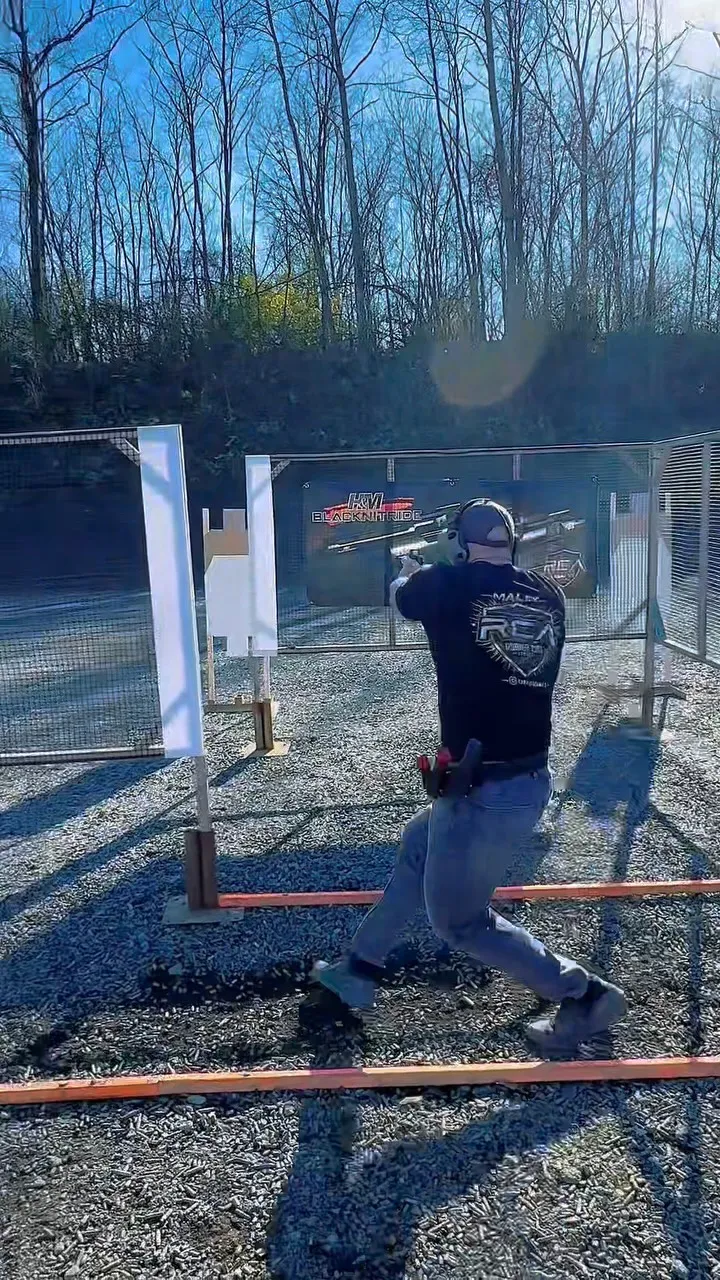 USPSA match day · from his Instagram
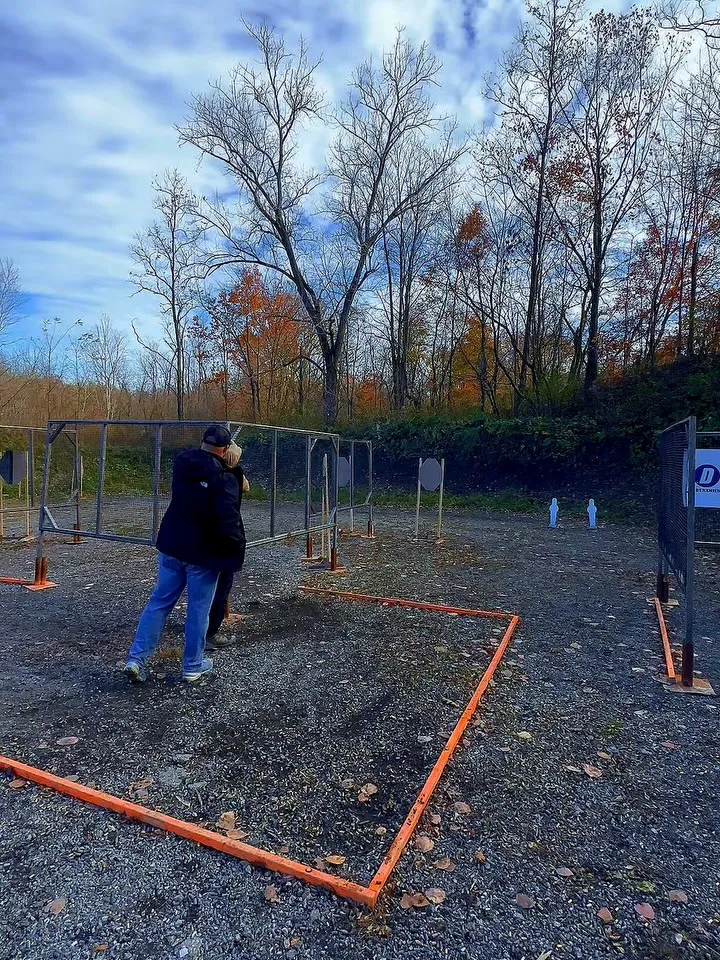
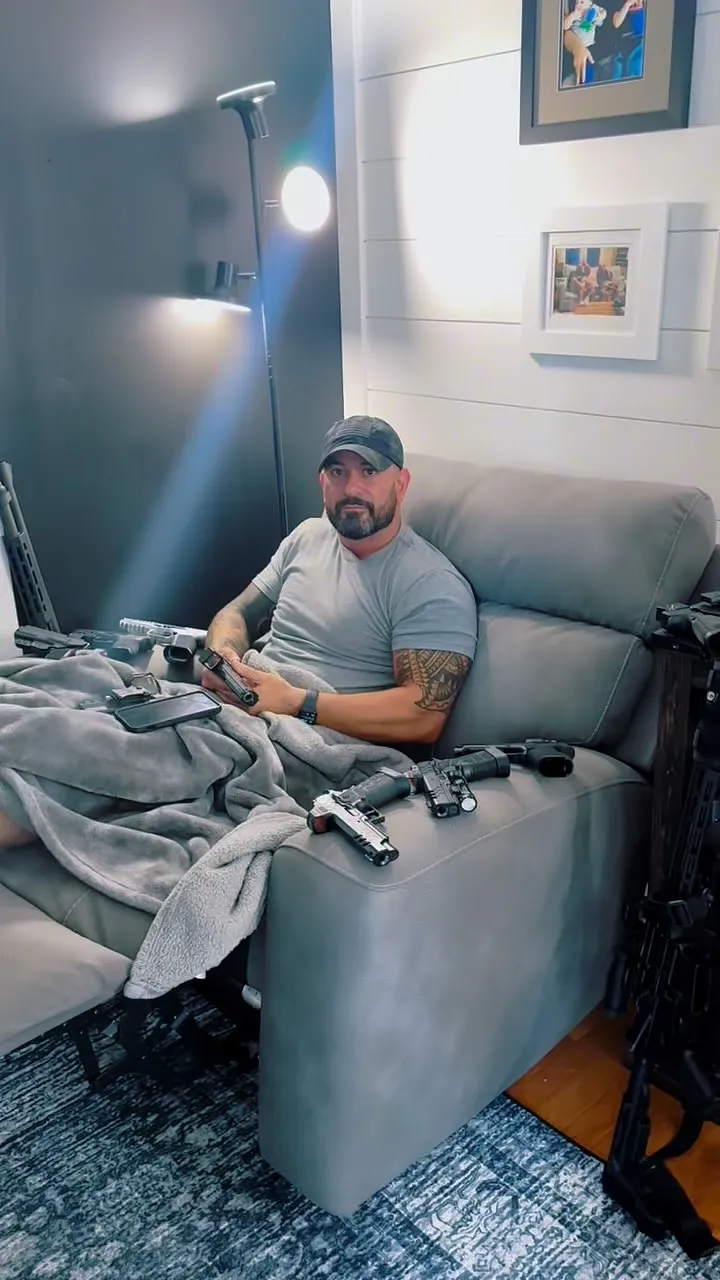
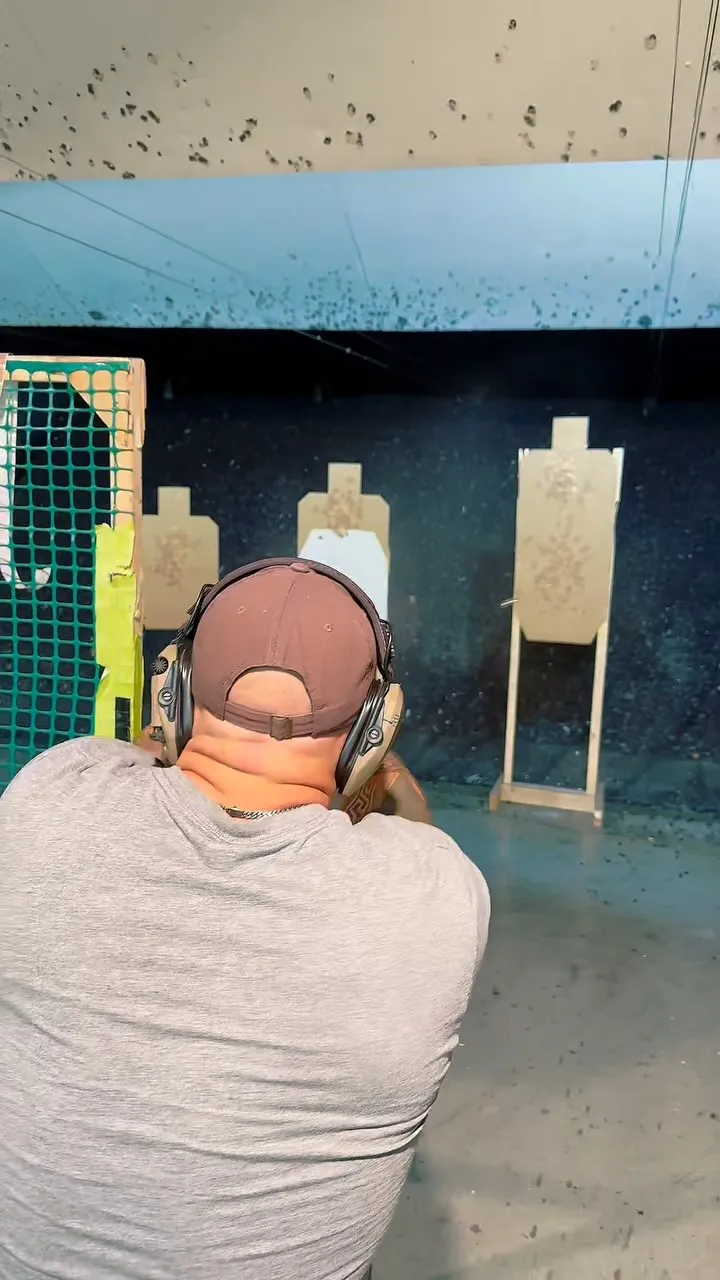
Videos
Short reels from his Instagram. The review cards below are samples until he provides reviews.
Rating: ★★★★☆ (sample)
Pros: [what actually worked at the range]
Cons: [what didn't]
Verdict: [worth it for a regular shooter? yes / no / depends]
Rating: ★★★★☆ (sample)
Pros: [what actually worked at the range]
Cons: [what didn't]
Verdict: [worth it for a regular shooter? yes / no / depends]
Rating: ★★★★☆ (sample)
Pros: [what actually worked at the range]
Cons: [what didn't]
Verdict: [worth it for a regular shooter? yes / no / depends]
From beginner to Grand Master. That’s the goal. I shot my fi… (opens in a new tab)
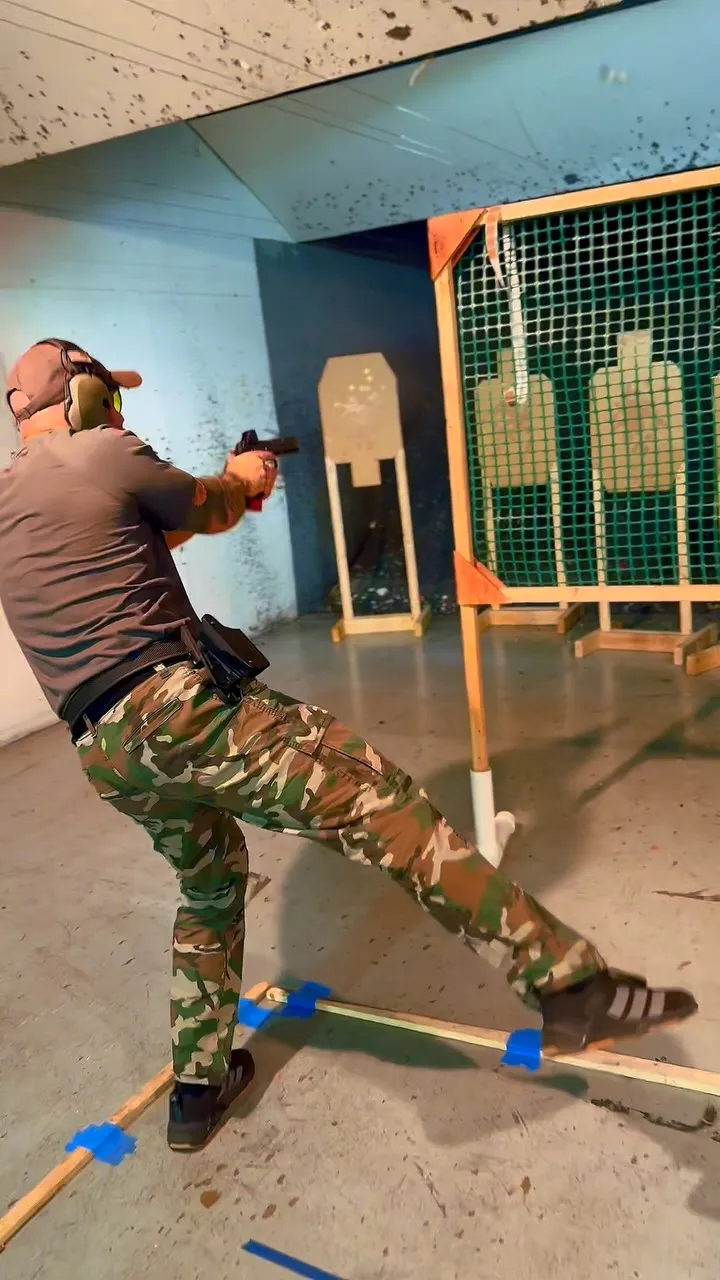 Thanks to @greeneggsandbam027 and the @stonewalltactical tea… (opens in a new tab)
Thanks for the song @robby.rifle 🦾. Thanks @greeneggsandbam0… (opens in a new tab)
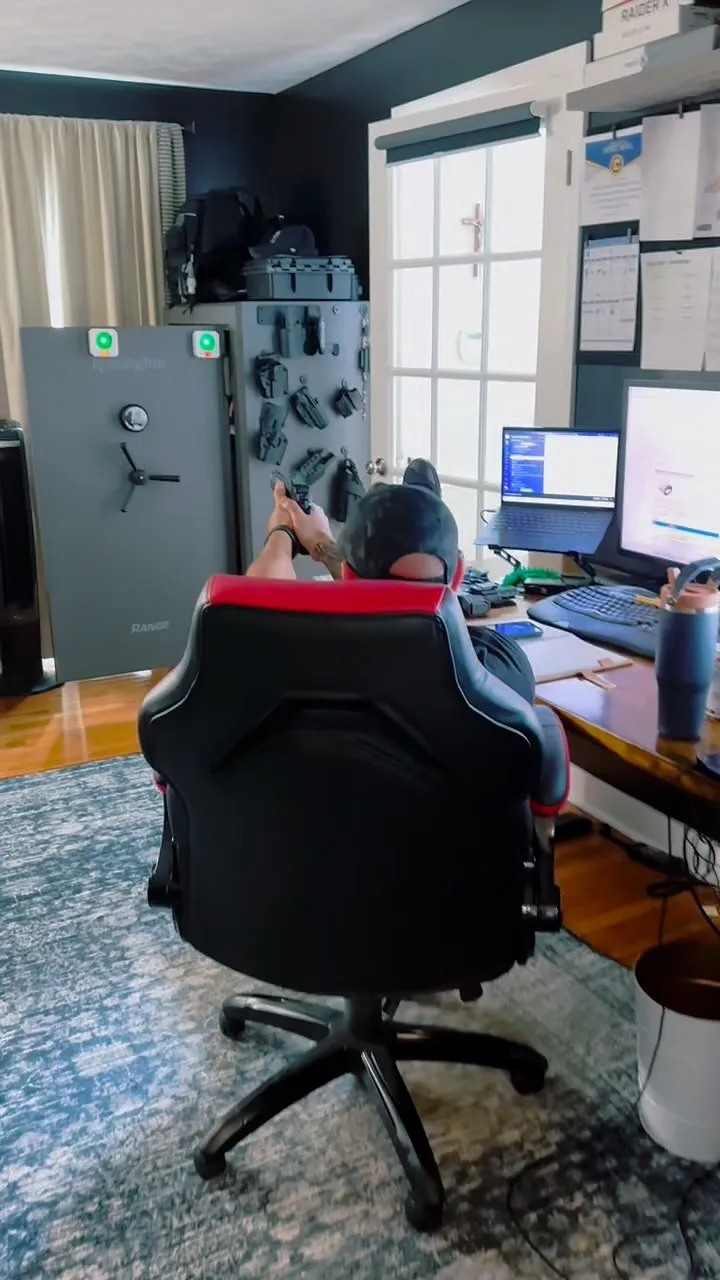 POV: Your wife catches you sneaking in dry fire reps between… (opens in a new tab)
Gear
Apparel and accessories only — no firearms or ammunition. These are placeholder products until merch is approved.
About · The process
“Sharing my passion, having some laughs, and hopefully inspiring a few people along the way.”
This is the path he’s on, from his own posts: first match to the next one, practice at home, training, and the goal.
“I shot my first USPSA match.” USPSA is a practical shooting competition — you move through timed stages and shoot targets as you go.
“Second USPSA match in the books. Definitely made some progress.” He went back for another match and is watching whether the work is paying off.
He puts in dry-fire reps at home, even between work calls. Dry fire is practice with an unloaded firearm, so he can work on the movements when he’s not at the range. See his weekly training plan.
He’s also been training with @stonewalltactical (opens in a new tab) and @greeneggsandbam027 (opens in a new tab).
“From beginner to Grand Master. That’s the goal.” He’s currently Class B. Grand Master is the top shooter classification in USPSA. See how the classes work, and how the divisions work.
USPSA classification
He’s currently Class B. Grand Master is the goal. Here’s how USPSA measures that climb, in official terms.
At matches, clubs set up official classifier stages to a standard design. Your score on a classifier is a hit factor (points divided by time). USPSA divides that by the stage’s High Hit Factor to get a percentage, and that percentage is what class is based on.
You start as U — Unclassified until you have enough valid classifier scores. A first classification needs at least four valid scores from different classifier stages. For that first class, USPSA uses the best four of your most recent six scores. After you’re classified, it uses the best six of your most recent eight valid scores. As that average rises, you move up the ladder.
Percentages are of the High Hit Factor. Source: USPSA (opens in a new tab)
Class is your skill level. Division is the equipment rules you shoot under.
USPSA divisions
He shoots Carry Optics as his primary focus, Limited Optics as his secondary, and Open for fun and training. Here’s how the divisions work, from the official USPSA rules.
Main focus
A slide-mounted dot on a list-approved pistol, with tighter equipment limits than Limited Optics.
Secondary
Think of it as a Limited gun with a required slide-mounted optic, scored Minor only.
Fun & training
The race-gun division: optics, comps, ports, and the longest magazines.
Key differences from the official USPSA Competition Rules (September 2026). Swipe or scroll sideways on smaller screens.
| Feature | Open | Limited | Limited Optics | Carry Optics | Production | Single Stack | Revolver | PCC |
|---|---|---|---|---|---|---|---|---|
| Optic allowed | Yes | No | Required | Required | No (notch and post only) | No (notch and post only) | No | Yes |
| Optic location | No location limit (slide or frame) | N/A | Slide only, between the rear of the slide and the ejection port; not frame-mounted | Slide only, between the rear of the slide and the ejection port; not frame-mounted | N/A | N/A | N/A | Yes (no location limit in the rules) |
| Magwell allowed | Yes | Yes | Yes | No external magwells | No external magwells | Must still fit the official box | N/A | N/A |
| Compensator / barrel ports | Yes | No | No | No | No | No | No | Yes (comps and muzzle brakes) |
| Major power factor | Yes | Yes | No (Minor only) | No (Minor only) | No (Minor only) | Yes | Yes | No (Minor only) |
| Firearm type | Any qualifying handgun | Any qualifying handgun | Any qualifying handgun | DA, DA/SA, or striker-fired, and on the approved list | DA, DA/SA, or striker-fired, and on the approved list | 1911 production-type pistols only | Revolver (DA or SA; self-loading revolvers are not allowed) | Pistol-caliber carbine with a stock (9mm, .357 SIG, .40 S&W, 10mm, or .45 ACP) |
| Magazine / capacity | 171.25 mm | 141.25 mm, or 171.25 mm in single-stack guns | 141.25 mm, or 171.25 mm in single-stack guns | 141.25 mm | Must fit the official box; 15-round max after the start | Must fit the official box; 8 rounds Major or 10 Minor after the start | 6 rounds before a reload (Major), 8 (Minor) | No capacity limit |
| Weight limit (empty magazine) | No limit | No limit | No limit | 59 oz, with optic | 59 oz | 45 oz | No limit | No limit |
| Trigger / action | Any | Any | Any | DA, DA/SA, or striker-fired | DA, DA/SA, or striker-fired | 1911-style (single action) | DA or SA | Semi-auto (binary triggers not allowed) |
| Holster | Yes; race holsters allowed under general USPSA rules | Yes; race holsters allowed under general USPSA rules | Yes; race holsters allowed under general USPSA rules | Yes; everyday-use holster, no race holster | Yes; everyday-use holster, no race holster | Yes; everyday-use holster, no race holster | Yes; no extra holster restrictions beyond general USPSA rules | Holstering and drawing rules do not apply; a sling is allowed |
| Typical examples | Comped 2011 and other race guns | 2011, CZ Tactical Sport, Tanfoglio, SVI | Slide-optic 2011, Shadow 2, P320, M&P | List-approved pistols such as many Glock, Shadow 2, P320, and Canik models | List-approved stock pistols such as many Glock, CZ, and Canik models | 1911-style pistols | S&W 686, Ruger GP100 | AR-style PCC, B&T or CZ Scorpion, Ruger PC Carbine |
| In short | The race-gun division: optics, comps, ports, and maximum equipment. | High-performance iron-sight guns with magwells. Major scoring allowed. | A slide-mounted optic with magwells; no comps or ports. Minor only. | A slide-mounted optic on a list-approved pistol; no magwell or comps. Minor only. | List-approved stock guns with no optic, no external magwell, and no comps. Minor only. | Single-stack 1911-style pistols. Traditional and challenging. | Classic revolvers. Still competitive. | Pistol-caliber carbines. Fast, and a growing division. |
USPSA also has Limited-10, a separate 10-round division, which is not shown here. Rules can change. Source: USPSA Competition Rules, September 2026, Appendices D1–D9 (opens in a new tab)
Weekly training
Become the best USPSA shooter you can be. Limited range access? No problem. The split is 80–90% dry fire and visualization, and 10–20% live fire. The key: purpose in every rep. Perfect reps today means faster on match day. Consistency creates results.
Monday
Goal: Every repetition identical. No timer for first 10 reps. Then use your shot timer.
Tuesday
Don’t mag dump. Spend more time analyzing than shooting. Video every drill.
Wednesday
No trigger speed. Only efficiency.
Thursday
Most shooters lose more time here than on splits.
Friday
Pretend you’re shooting a Level II match. One run. Analyze. Run again.
Saturday
Never end with sloppy shooting.
Sunday
Mental reps count.
A stable body lets the sights settle faster.
Don’t chase speed. Chase:
Speed is the result of eliminating wasted motion — not trying to move faster.
Shoot a match every weekend you can find. Use match results to build your next week’s dry-fire plan. Feedback + consistency = real improvement.
Show up. Put in the work. Trust the process. The reps you can’t see today will win the match tomorrow.
View the original training-plan graphic (opens in a new tab)
View on Instagram (opens in a new tab)
View on Instagram (opens in a new tab)
View on Instagram (opens in a new tab)
View on Instagram (opens in a new tab)
View on Instagram (opens in a new tab)
View on Instagram (opens in a new tab)
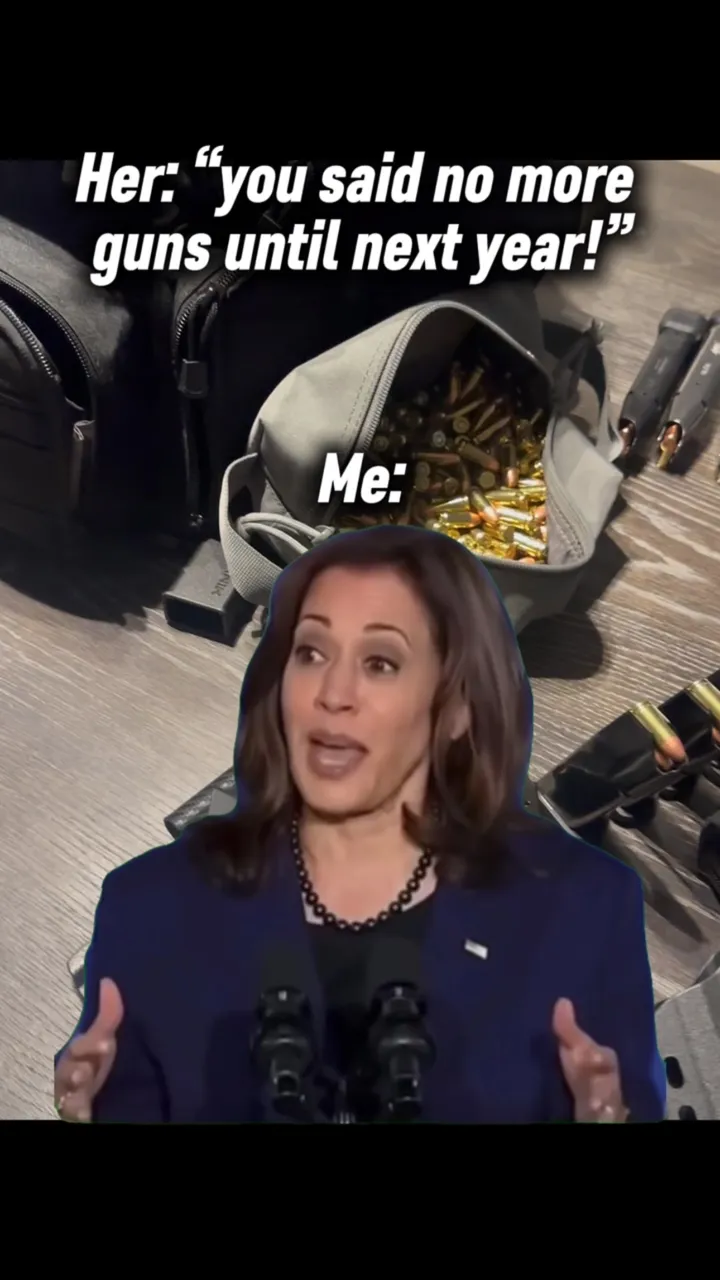 View on Instagram (opens in a new tab)
 View on Instagram (opens in a new tab)
 View on Instagram (opens in a new tab)